

So much has happened since the last Sunday Drive that it would have been hard to squeeze it all into the next four newsletters. I visited the Paris Motor Show, and after returning home and getting one night sleep, I flew to Stuttgart, where I had a look on the future technologies being developed by Mercedes. For now, I have officially nothing to say about that, but I can speak out loud about Mercedes-AMG’s success in Formula 1 and its new Champ – Kimi Antonelli. That is also why the newsletter had been sent to you today – the Mexican GP ended on Sunday just before midnight CET.
Mondial de l’Automobile 2026
The origins of the Paris motor show go back to 1898. To this day, there is still a debate over which event – this one, or the IAA in Berlin – was the first exhibition of its kind. What distinguished the French approach in the early years was the requirement to pass a technical test and drive a route there and back between Paris and Versailles.
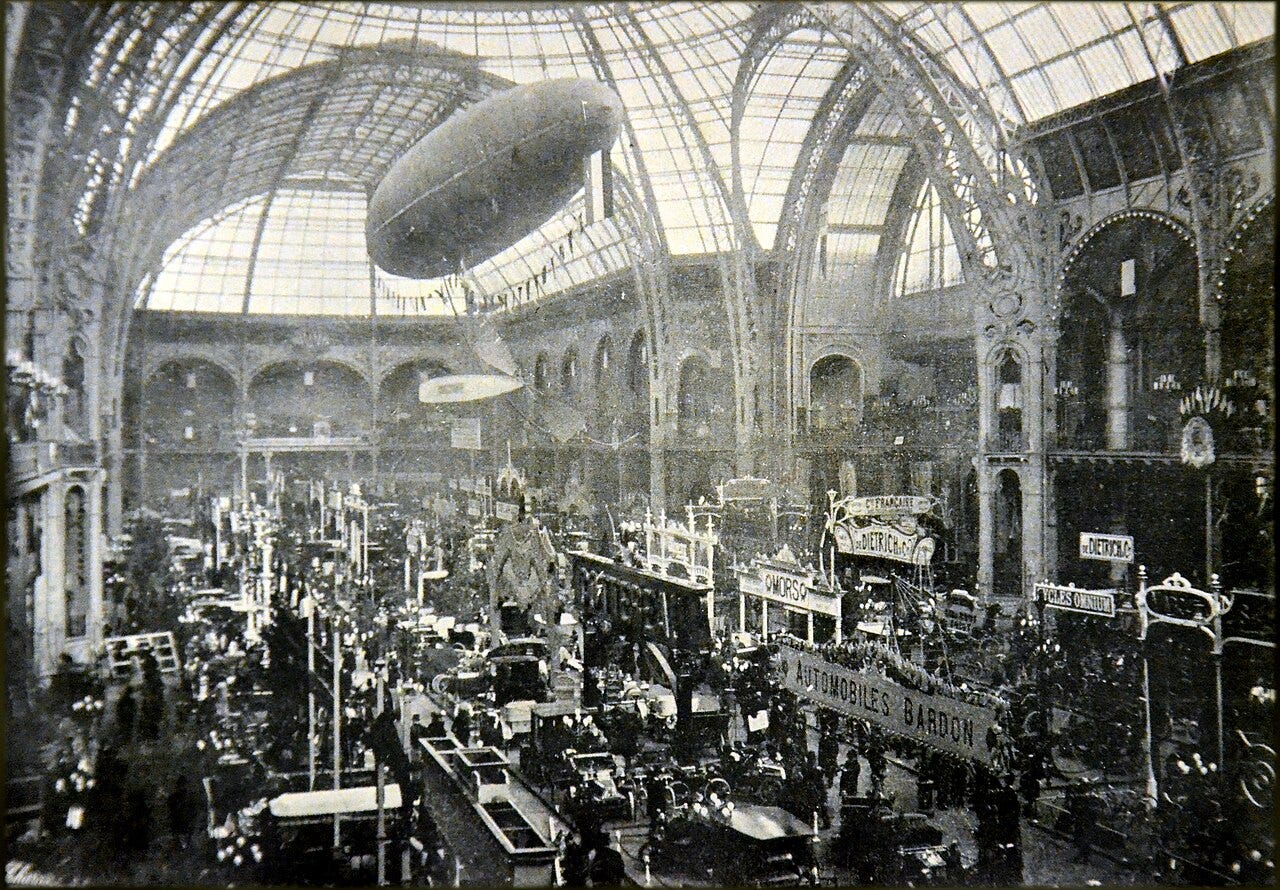
The event is held on a two-year cycle and had two longer breaks caused by World Wars and one pandemic episode – the 2020 edition was cancelled altogether. That strange period in general changed the ways of presenting new cars into disarray – motor shows condensed into exhibition halls gave way to festivals and concours d’élégance. One of the most interesting events at which you can see exciting debuts is the Goodwood Festival of Speed. Interestingly, its format is somewhat reminiscent of the first editions held in Paris – cars can also be seen in motion on the famous Hillclimb course.
I flew to France at the invitation of Omoda & Jaecoo and attended the European premiere of the Omoda 4, which I wrote about here. I also put together a list of ten retro-futuristic debuts that dominated this year’s event. The prototypes presented by Stellantis and Renault took your breath away and drew crowds to the Citroën, Alfa Romeo and Renault stands.
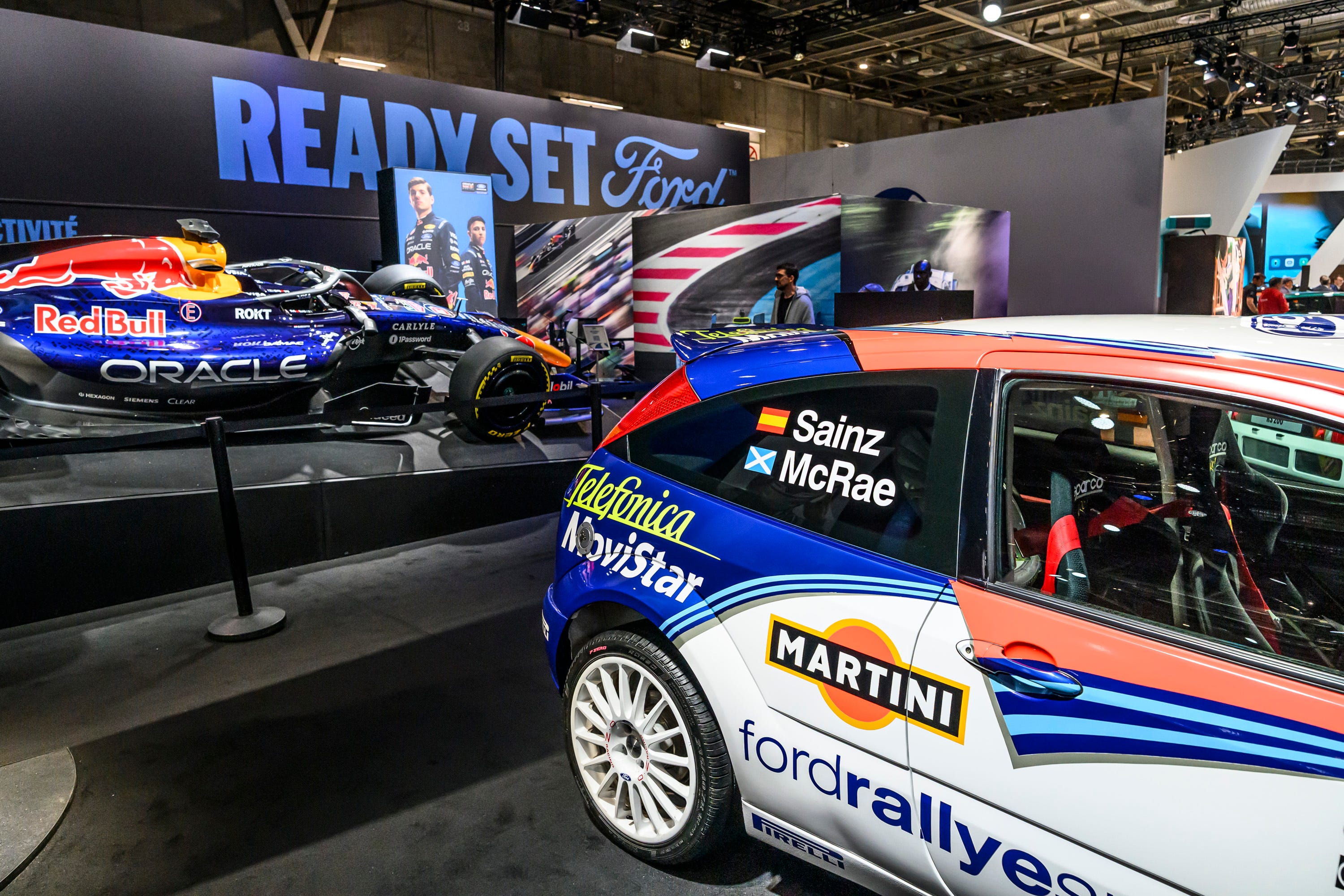
Ford’s stand, centred around motorsport, was particularly interesting. You could see rallying legends there – the Ford Escort, RS200 and Focus. There was also this year’s Red Bull Racing car, in which the American manufacturer participates technologically.
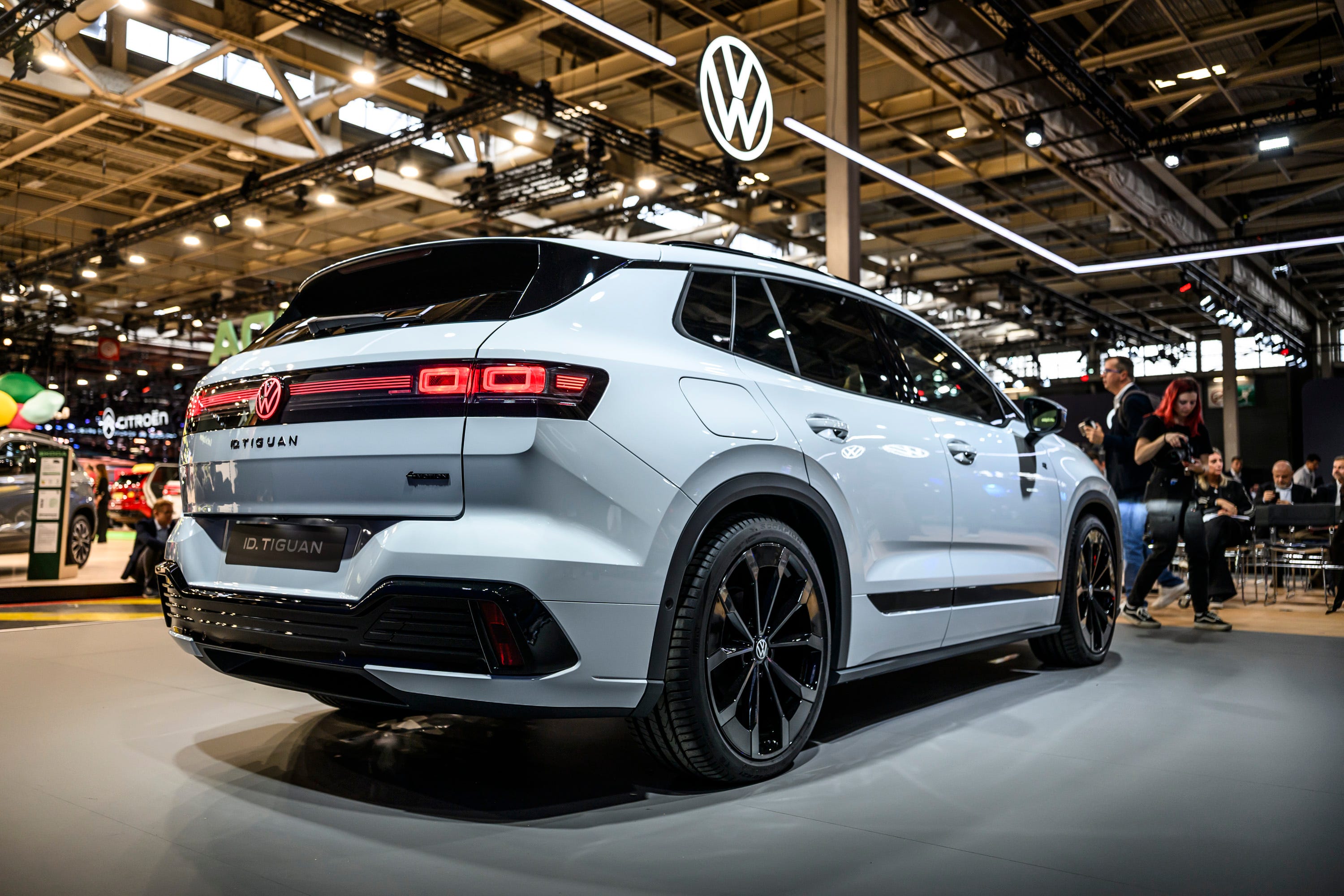
Volkswagen presented an important model – the ID. Tiguan is the hope that the Germans will stop flailing about with visions for their model range, their naming conventions and trying to convince customers that poor cabin ergonomics is a good thing. I can’t wait to test it.
The show was missing some big players – I was hoping for JLR’s presence and the chance to see the new Jaguar Type 01 in metal, whose still-camouflaged but already driving prototype could be seen at the aforementioned Goodwood Festival of Speed. What a shame that absence is.
Two premieres took place in the following days of the same week. One was the exciting debut of Porsche’s new halo car; the other was:
Tesla Roadster – another Elon Musk fairy tale
Nine years after presenting a rather handsome Tesla Roadster prototype, Elon Musk has presented a completely different Tesla Roadster prototype. Either previous version bored him, or it generated too little growth for the brand on the stock market. What has been shown now is… well, befitting its founder’s ego and the naivety of his audience. Just look at the clause in the reservation agreement, which says that the car in its jet-engine versions “may never be delivered”. The top-spec version is to be offered only to trusted customers, and only by invitation. The prototype has as many as six jet engines on board (cold gas thrusters) powered by nitrogen. Designed by the creators in Minecraft, the car is meant to do somersaults, perform kickflips and accelerate from 0 to 60 mph in under one second. The money-collecting from customers continues, cash flow is growing, and Elon is pumping up the bubble of his wealth.
Great.
Moving on – on the same day in New York, Porsche presented:
Mission S
Admittedly, in terms of airtime, Porsche’s premiere was a humiliating defeat, but at least what was presented is absolutely spectacular.
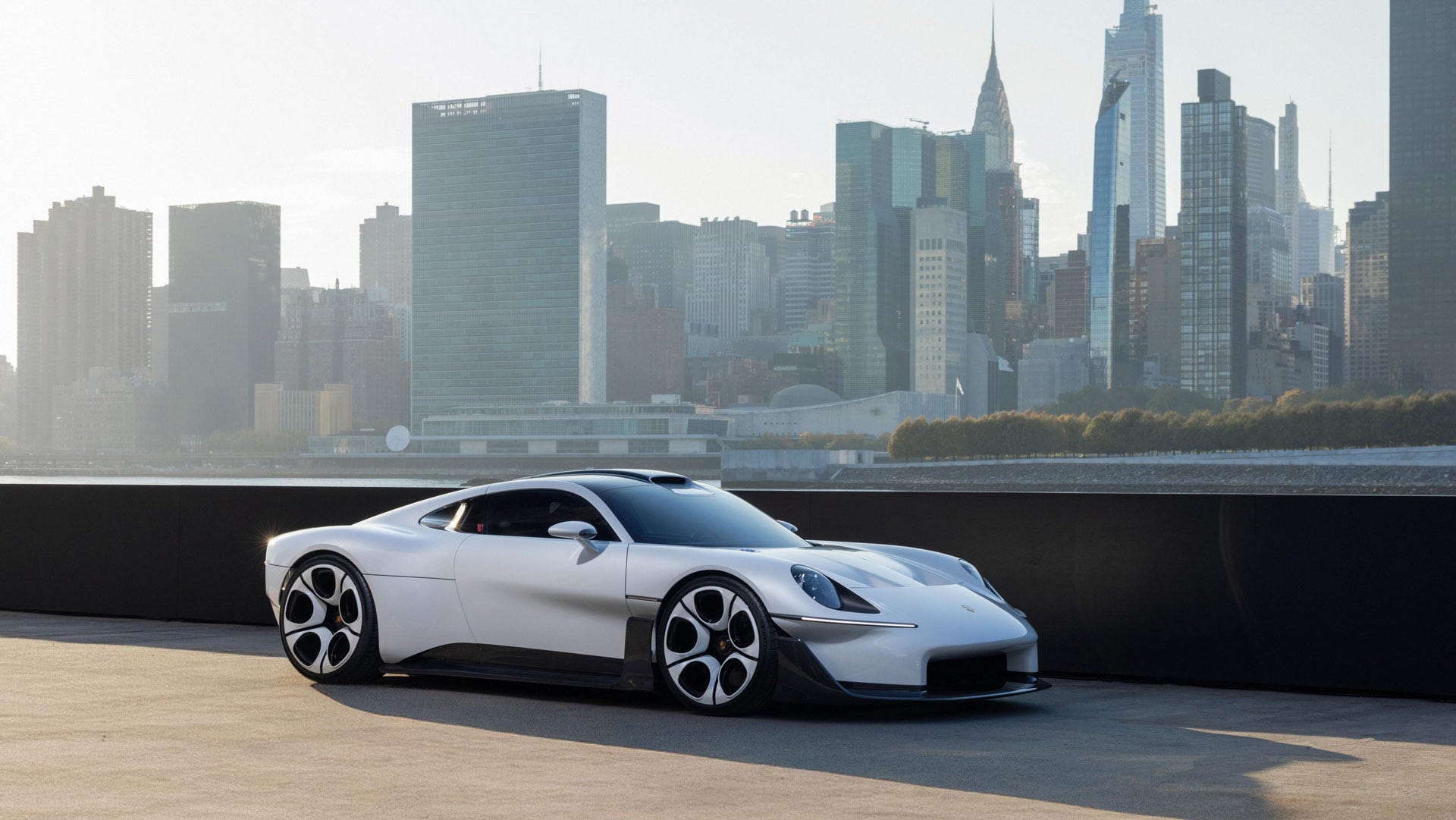
Let’s start with the location – in 1953, in the same place and against the same backdrop (the Manhattan of the time), the legendary Porsche 550 Spyder was photographed for the first time. That is no coincidence because the Mission S draws heavily from various chapters of the marque’s history, including the location of its premiere.
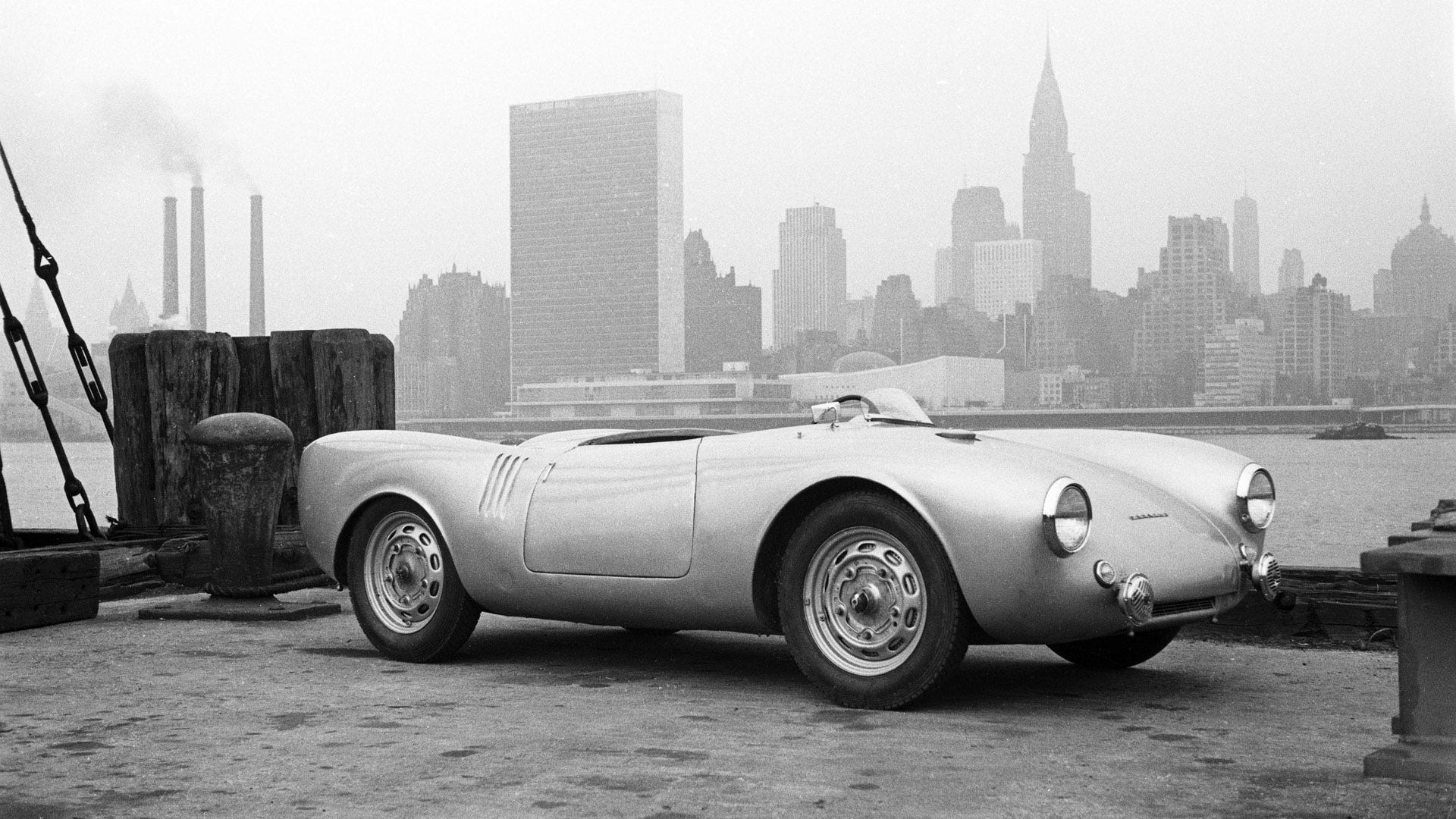
In appearance, the car resembles the first-generation Porsche 911 GT1 Strassenversion (based on the 993-generation body components). The rectangular intake in the front bumper and the air intake above the windscreen look similar too. The side mirrors are very similar to those found in the Carrera GT, the rear resembles a mix of the GT1 and 959, and the gold metal fan located in the engine cover is a nod to the one found in the legendary 917 racecar – it is in a similar place and colour, except that the old one is made of plastic. The wheel design will be familiar to fans of the marque from the Porsche’s 928, which, like today’s Mission S, was once meant to be a model positioned above the 911.
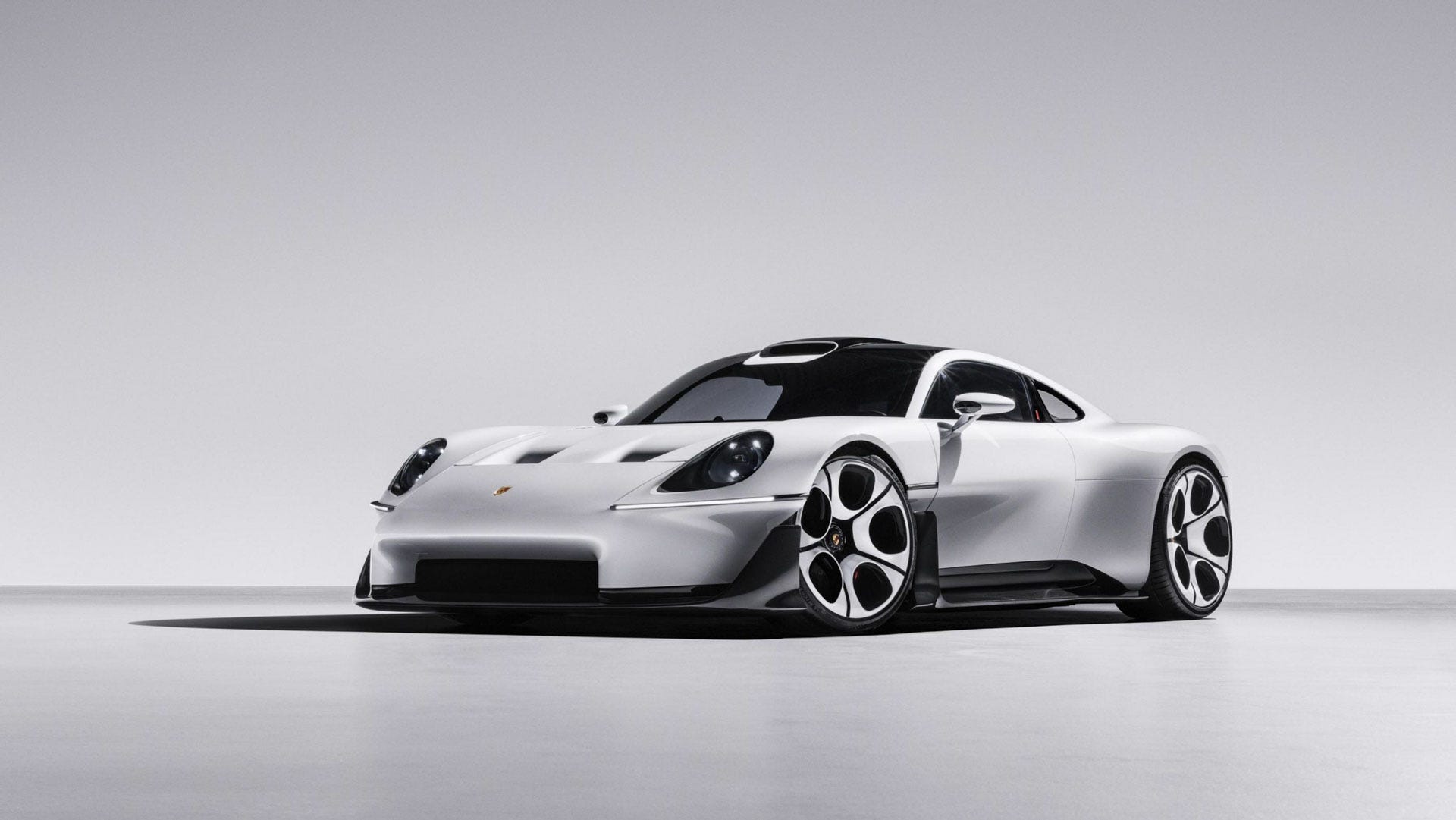
The interior is a petrolhead purist’s dream – there is no central screen at all, and the displays built into the dials show only the bare essentials. There is, however, a MagSafe mount and a dedicated app that could potentially replace the infotainment or display more telemetry data. The minimalist black-and-white cabin is simple and elegant. The steering wheel – the gold standard among all steering wheels – has a red button labelled “On Your Own”, that switches off all the electronic limitations.
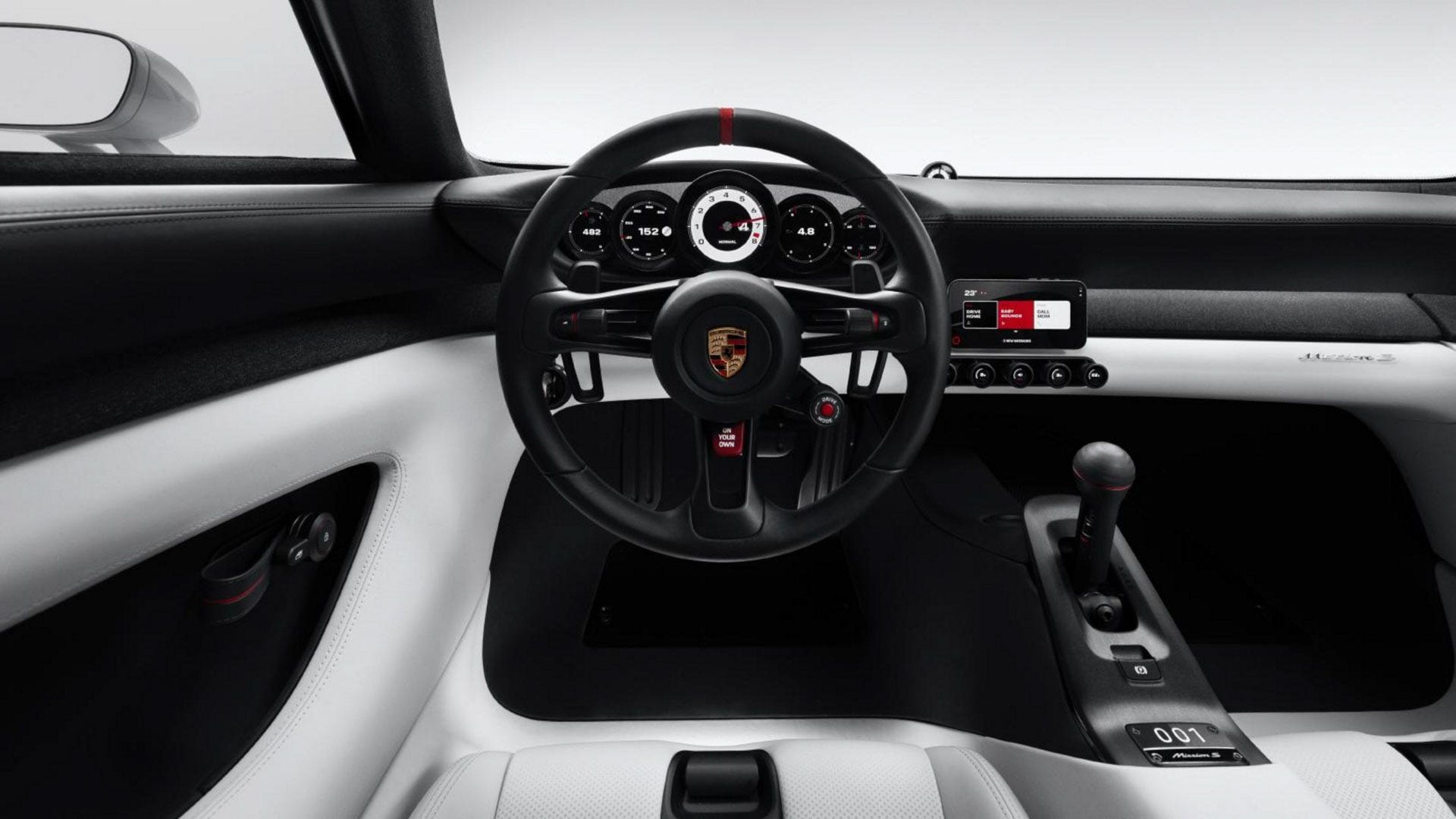
For now, it is not known what will sit under the Mission S’s engine cover, but we do know that the powertrain will be located behind the driver and ahead of the rear axle. Rumours about the number of cylinders and their configuration are firing up petrolheads’ imaginations, including mine. As Jerry Seinfeld, the well-known comedian and Porsche collector, reported, the marketing people from Zuffenhausen have been calling their best customers to ask which engines they would most like to see. The most common speculation is an eight-cylinder boxer, like the one that recently went into RUF’s B8.
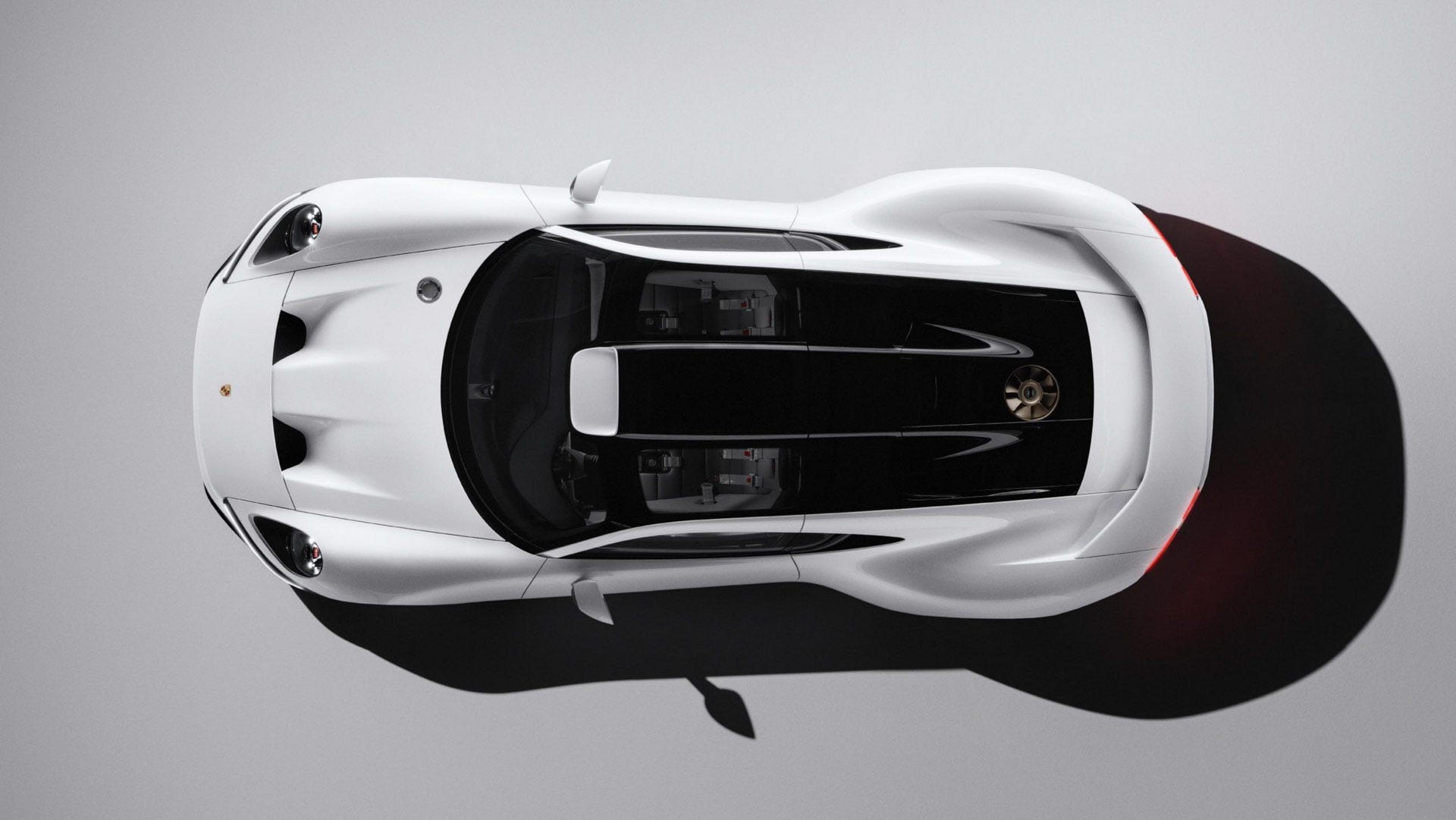
Given that the two previous top-end mid-engined Porsches – the Carrera GT and 918 Spyder – had at least eight cylinders – a six-cylinder boxer seems unlikely, unless in base versions. Such an engine, however wonderful it may be (and it is), does not fit ideologically with Stuttgart’s new halo car.
A new chapter in the history of Formula 1 world champions
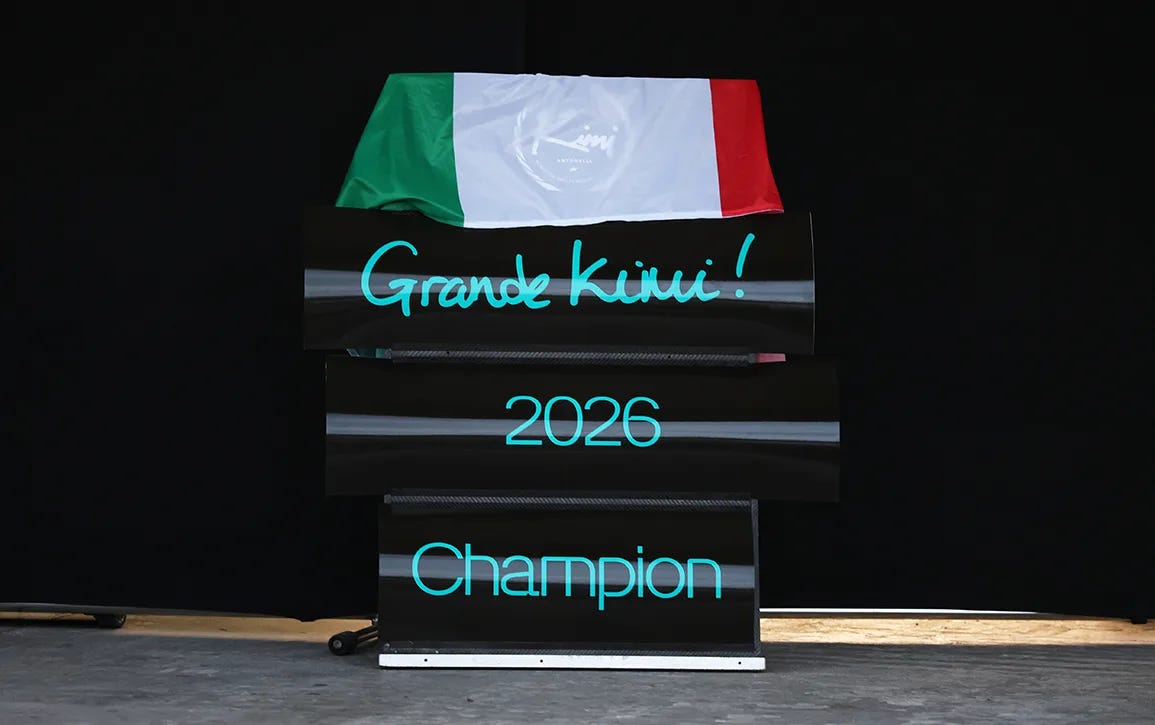
Andrea Kimi Antonelli became yesterday the youngest world champion in the history of Formula 1. On the day of his triumph, he was exactly 20 years, 2 months and 7 days old. The previous record holder – Sebastian Vettel – was 23 years, 4 months and 11 days old – more than three years older. Although I was rooting for another driver this season, I am overjoyed I witnessed his triumph. I suspect that this record for the youngest champions will not be broken for decades.
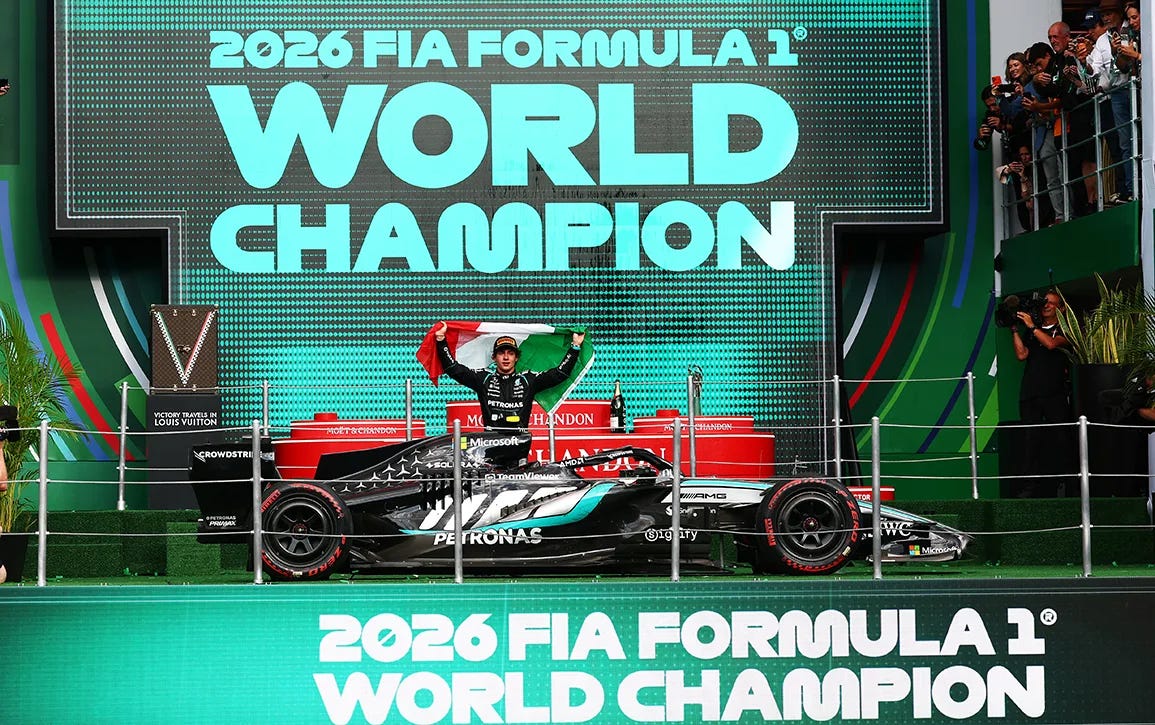
Kimi is the son of Marco Antonelli – a former racing driver and owner of the Antonelli Motorsport team. It was in that team’s karts that Kimi made his debut. His first title came in 2015 in the EasyKart 60 series, and four years later Toto Wolff took him under his wings of the junior programme. The golden run continued in full swing – titles in the WSK Euro Series, WSK Super Master Series, European karting championships and Formula 4 (both Italian and German). The springboard provided by the FRECA series allowed him to jump over Formula 3, bounce off a single season in Formula 2 and land softly in Formula 1.
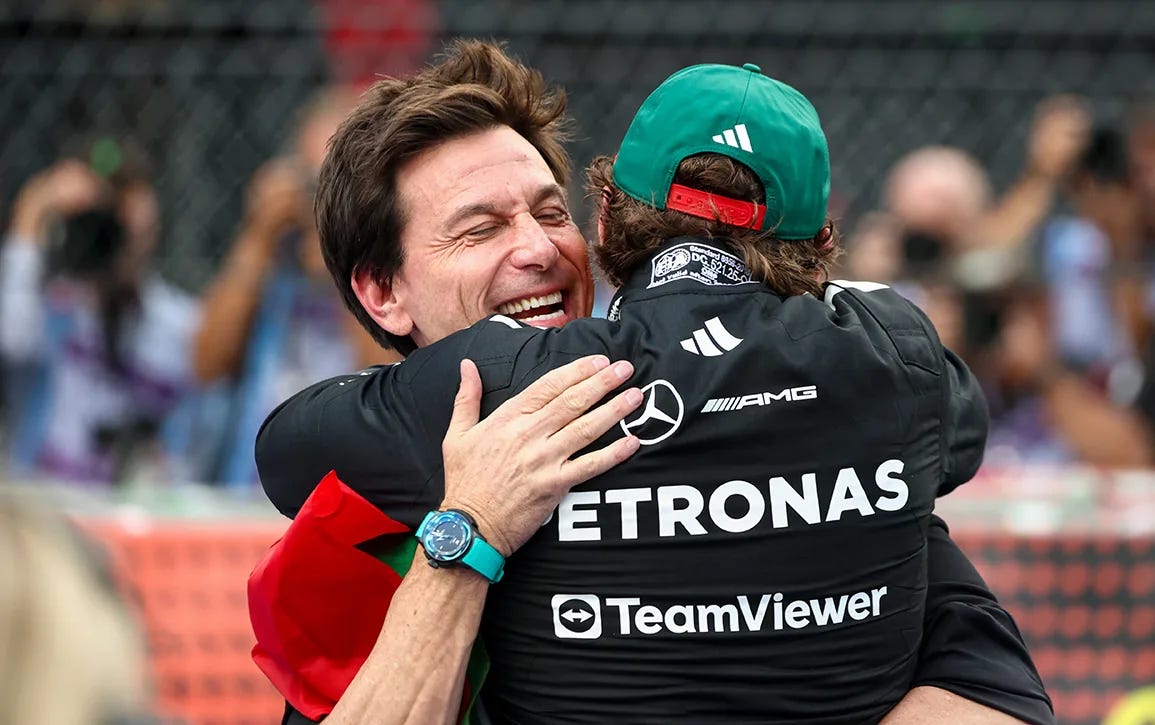
Antonelli has been racing for the Mercedes-AMG Petronas Formula 1 Team since 2025. Last season – the final one based on the previous technical regulations – was not particularly successful for the young Italian: after an error-strewn year, Antonelli finished the campaign in seventh place. The new Formula and Mercedes’ dominant technical position gave Kimi a fresh wind in his sails, and despite numerous mistakes he achieved his goal (and Toto’s) – he became World Champion. This lad has the mentality of a champion, race-by-race improvements in his skills, and at the same time youthful charm, naivety, and tenacity. He is good to watch and good to listen to. A hero is growing, one worthy of taking on Max Verstappen.
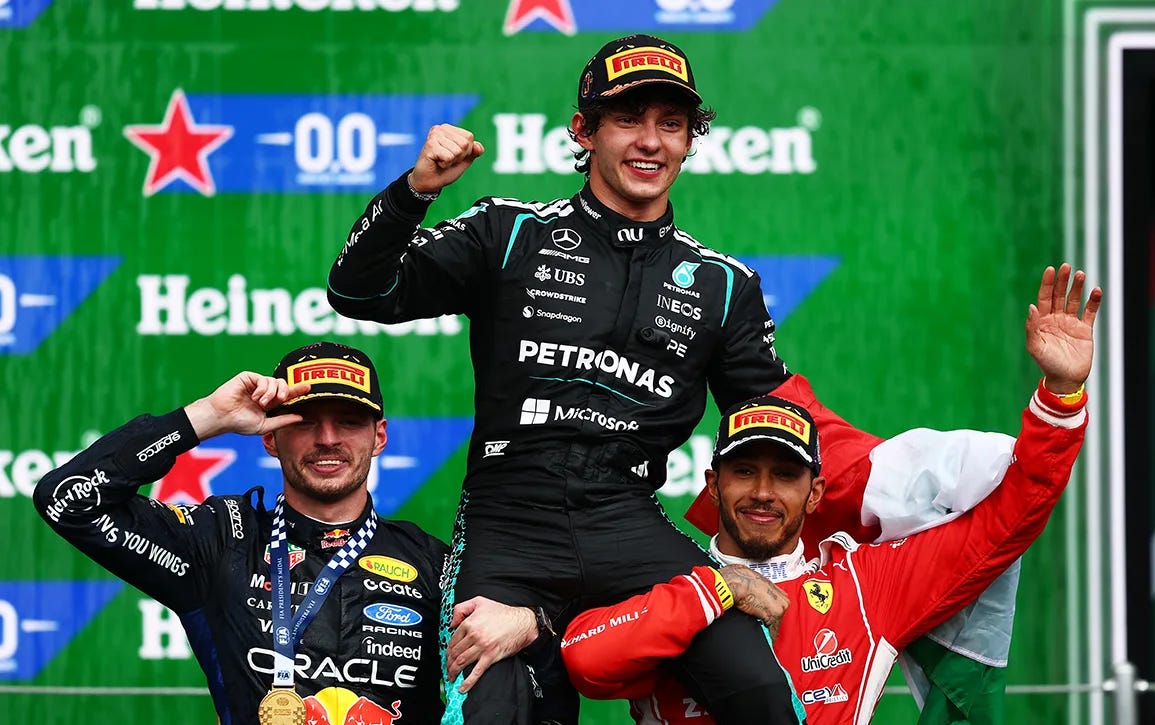
The championship celebration somewhat overshadowed the result of the Mexican GP itself, in which an ever-faster Max Verstappen triumphed. Lewis Hamilton finished second, with Antonelli third. Three drivers from three generations of Formula 1 were celebrating – three World Champions who between them share a total of thirteen titles – a beautiful picture.
I hope the end of this dreadful Formula 1 season will still give us a bit of excitement. The next race is in Brazil in just a week’s time. The same Brazil that in previous years kept us on tenterhooks until the very last lap.
Until the next time!