

Since the last issue of Sunday Driver went out, the automotive world has changed beyond recognition. Many fantastic cars have disappeared from the market. The final combustion-engined Porsche Boxsters and Caymans rolled off the production lines exactly a year ago. On 1 July, the last Alpine A110 was built. All three cars will, of course, return, but in electric form. The Germans have just dismissed rumours that combustion-engined versions might continue to be produced alongside their electric successors. The French, however, have left that door open, describing the new Alpine A110 as being “engine ready”.
On the other hand, the Polish market has welcomed a host of new brands and models, mostly from China. The early arrivals – Omoda & Jaecoo, Geely and Chery – are strengthening their positions in the market year after year. The execution varies, but it is clear that standards and quality are improving with each new generation and from one model to the next. Customers stand to benefit from the fierce competition for their attention, with manufacturers battling it out through bold styling, generous standard equipment and, of course, price.
Catching up.
I’m delighted to report that I’ve officially become part of the automotive journalism world. It took a long time to prepare, and I was initially rather hesitant about my own abilities, but eventually I managed to meet with the publishers of two print magazines: Classic Auto and the Polish edition of Evo. Those conversations led to several photoshoots being published in both titles.
At the same time, I responded to a job advert from Well.pl, which happened to be looking for an editor specialising in motoring. As it turned out, despite having been away from regular editorial work, I was able to support my application with articles from, among other things, Sunday Driver and the road tests published in Heel and Toe magazine. I added what was, at the time, a fairly modest portfolio, and it worked.
The wheels of my professional life began turning faster and faster. Entirely new opportunities opened up, bringing the chance to meet people, have adventures, write and take photographs. I felt completely in my element.
My time with Well.pl came to an end halfway through this year, but in the meantime I’d started working with chip.pl and focus.pl. You can find my latest articles and photographs on both websites.
Let’s start with:
Szeroki Kadr
I was named September’s Photographer of the Month by Szeroki Kadr. This is the second time I’ve received the distinction, but the first as an automotive photographer. You can watch the film here:
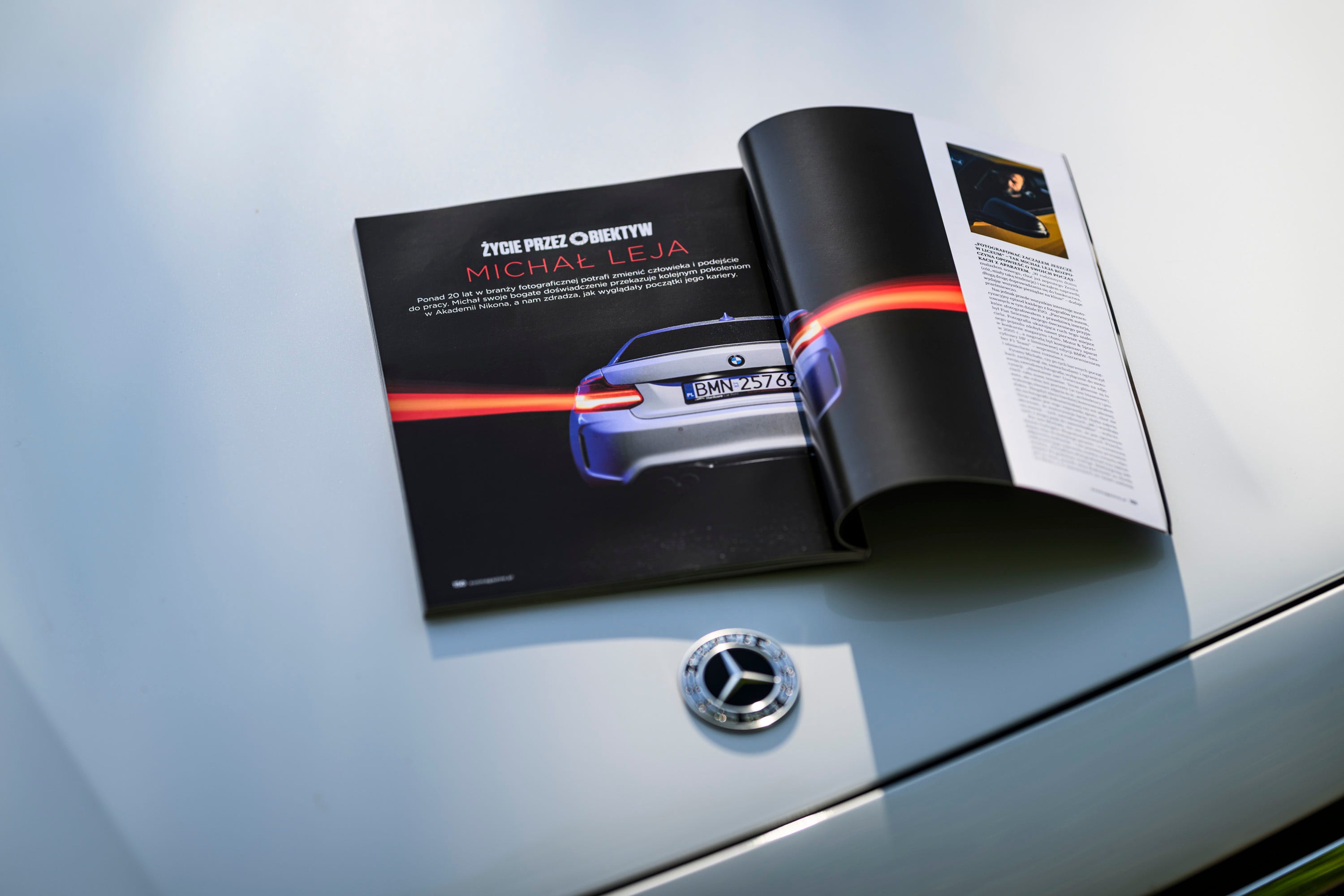
You’ll also find the latest issue of Evo on newsstands. I shot the cover feature on the VW Golf GTI 50th Edition and contributed a column. In the previous issue of the same magazine, I appeared in the Life Through a Lens feature, alongside another column and two photoshoots.
This year also brought my first advertising commissions, including work for Red Fox Automotive, a manufacturer of restomods based on classic Land Rovers
.
Jaguar’s new identity
The uproar caused by Jaguar’s unveiling of its new car and reimagined brand identity is unprecedented. Towards the end of 2024, just ahead of Miami Art Week, the brand revealed the Type 00 concept: an electric coupé. Its futuristic design wasn’t the main source of controversy, however. That honour went to the advertising campaign and Jaguar’s ostentatious rejection of its established identity. The public wasn’t even keen on the new, minimalist JaGUaR logo, which replaced the snarling wildcat that had previously adorned the bonnet.
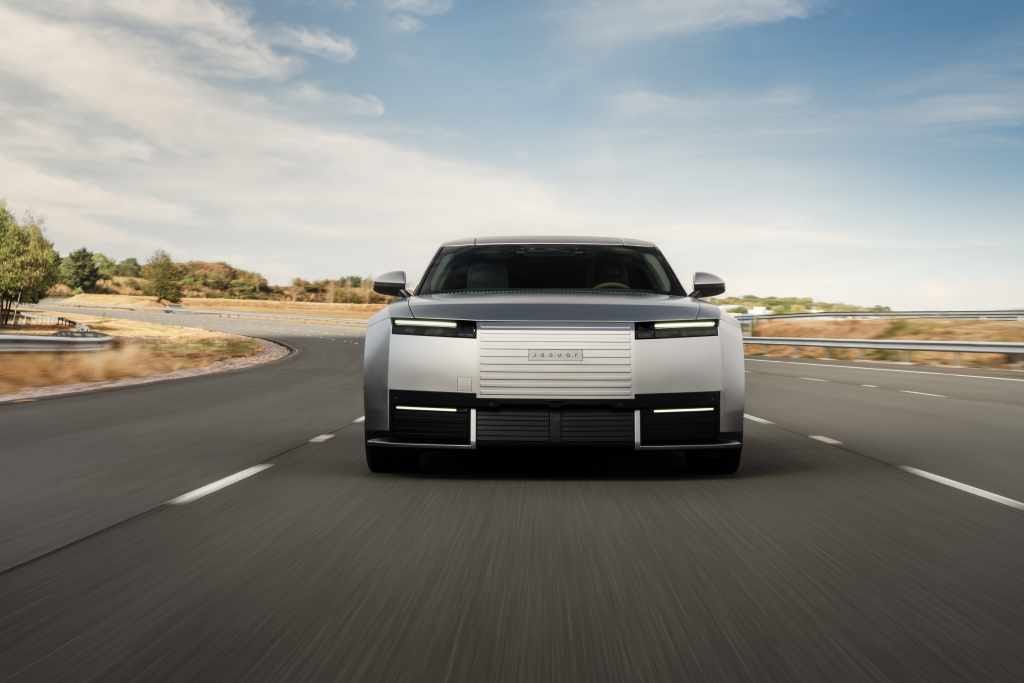
After two years of waiting, one high-profile departure – although apparently Gerry McGovern himself decided to leave – and several teasers, the excited automotive world was finally presented with the Type 01: the production-ready version of a sports saloon measuring over five metres in length. Interestingly, the final design of the 01 had been completed before the Type 00 concept was unveiled two years ago!
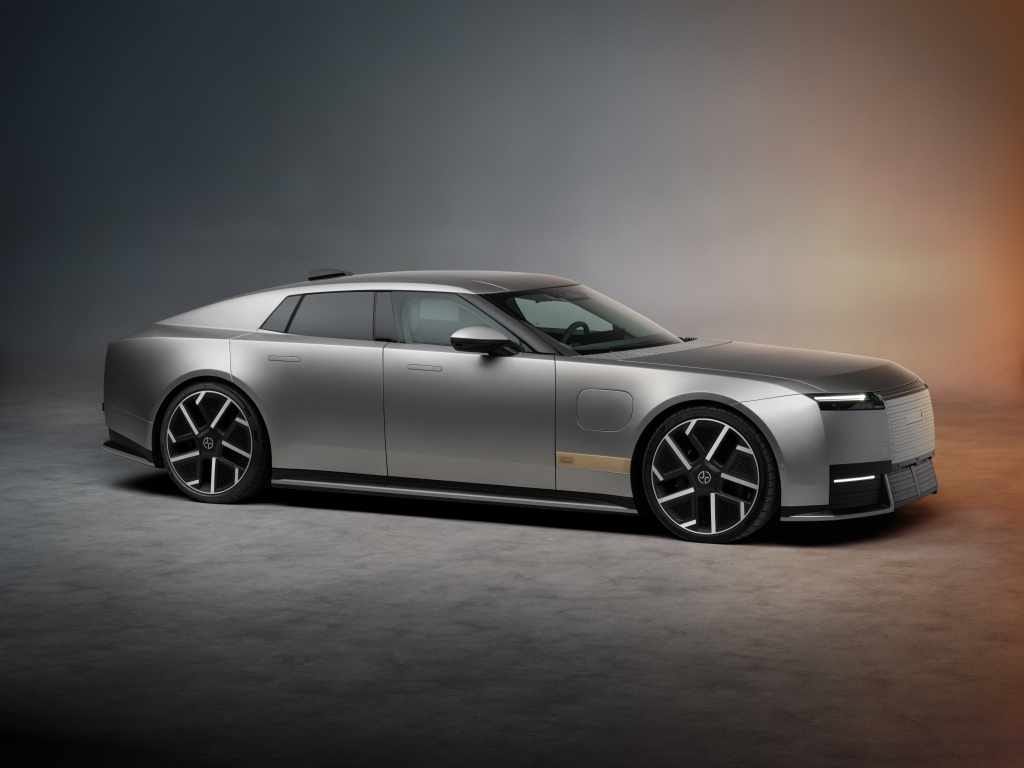
I have to admit, the car looks as though it has driven straight out of a Frank Miller comic book, where Bruce Wayne might use it as his Batmobile. The Jaguar Type 01 looks like a proper badass. Its body is long, low and wide. There’s a massive bonnet and a cabin pushed well back over the rear axle. The front overhang is short, while the gap between the front wheel and the front door hinge – the so-called luxury gap – is particularly generous.
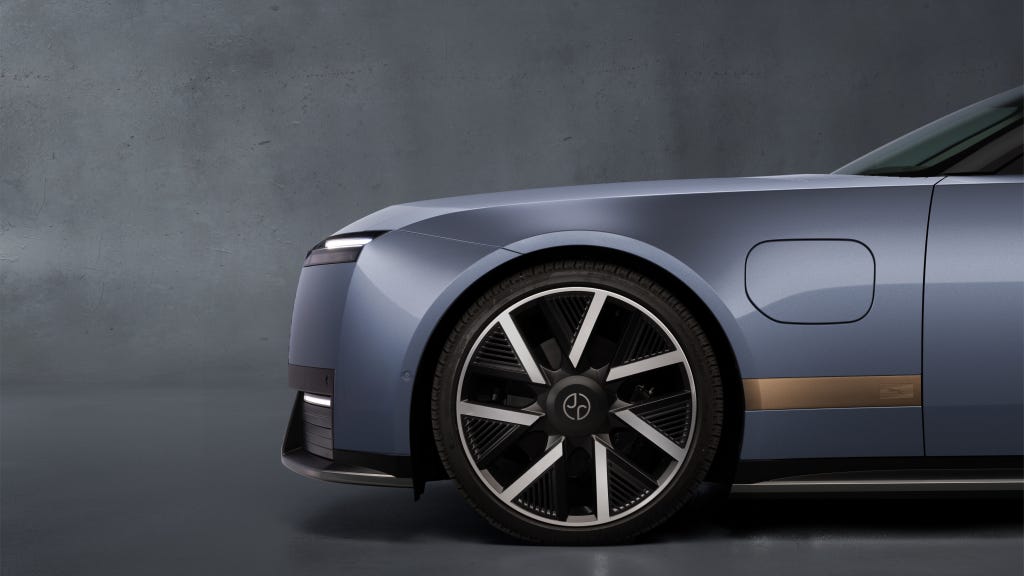
In my opinion, the front end is a little too simple and lacks finesse. The faux grille, bearing the JaGUaR lettering, is flanked by four horizontal daytime running lights. The rear end fares better, despite its minimalist styling. Perhaps that’s because there are fewer elements to contend with. A massive lattice structure dominates the rear, concealing two strips of lights and the bumper. There’s not even a rear window. Instead, a sheet of aluminium takes its place, with a camera mounted above it relaying the view behind the car to a screen positioned beneath the windscreen, where you’d find BMW’s Panoramic Vision display.
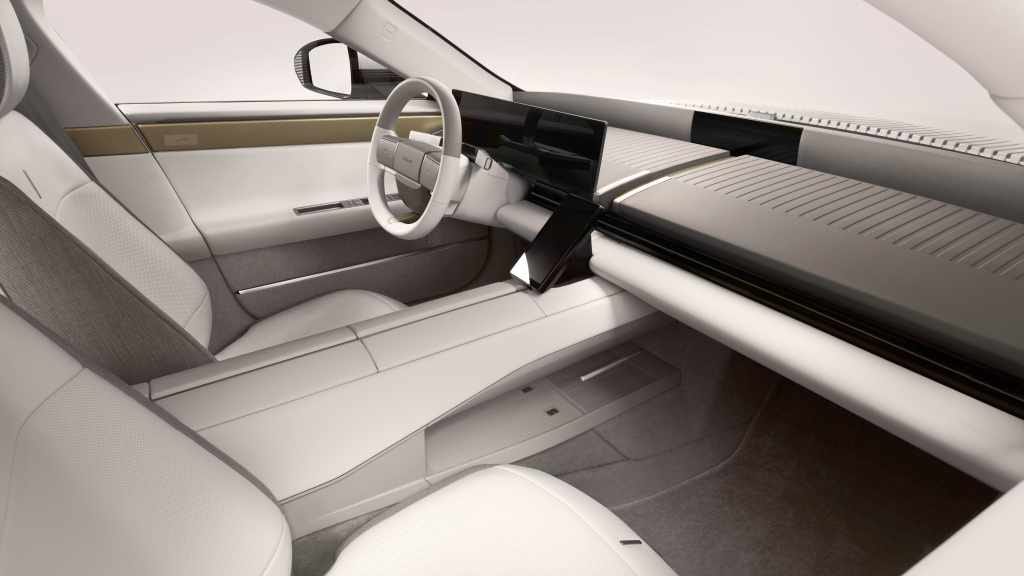
The Type 01’s interior is minimalist and, apparently, rather cramped. The cabin follows a 2+2 layout, with a kind of backbone running through it in the form of a central tunnel. Cupholders and storage compartments are tucked away inside it, serving both the front and rear passengers.
The steering wheel has two spokes and an utterly bizarre central section featuring a ribbed structure, a motif repeated throughout the car. The buttons on either side bear markings similar to those found on Land Rover and Range Rover steering wheels, so presumably their functions will be familiar, too.
A 24-inch OLED display stretches across part of the dashboard, seamlessly combining the driver’s instrument display with the central infotainment section. Climate and media controls will be handled via an additional screen below.
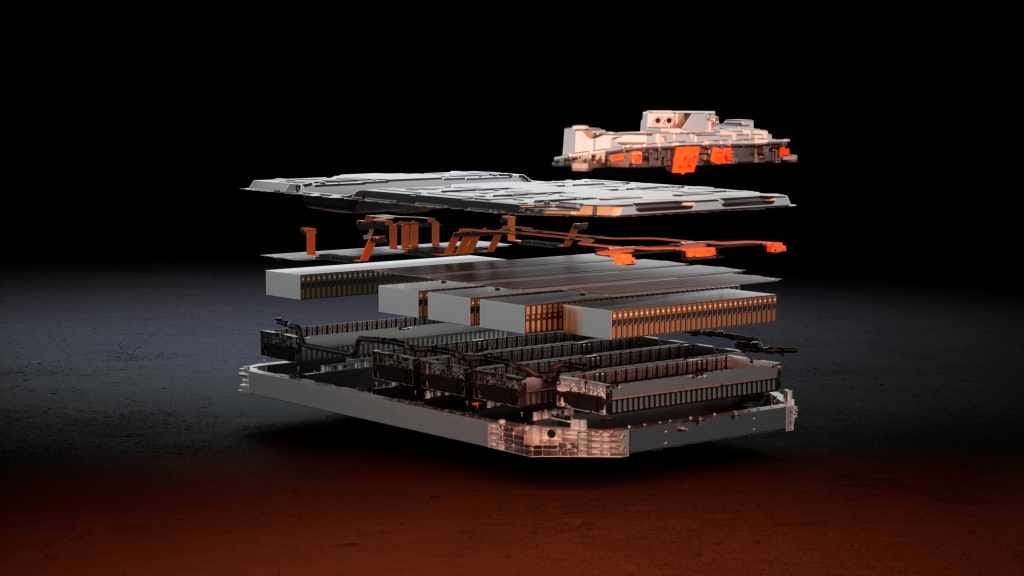
The Jaguar Type 01 features a 118kWh battery operating on an 850V architecture. The manufacturer promises a range of up to 640km on a single charge, with the ability to add another 321km in just 13 minutes when connected to a 350kW DC charger.
I suspect that, apart from a handful of enthusiasts, few drivers will spend much time testing the range of this electric super-GT. Far more attention will be paid to the driving experience, which Jaguar promises will be unlike anything else in this class. Mercedes makes similar claims about its own electric GT.
With 1,030bhp and 1,365Nm of torque, this is the most powerful Jaguar ever built. Thanks to an innovative aluminium pressing process, it’s also the stiffest Jaguar ever, including its sports models, with a torsional rigidity of 51.7kNm per degree.
Two years of motorsport evolution (and devolution)
Formula 1 has undergone some major changes. The entirely new approach to powertrains and racing has resulted in more overtaking, but in the long run, it’s proving frustrating. Following a rough start to the season for most of them, drivers have become increasingly vocal in their criticism of the way power is delivered to the rear wheels.
The regulations allowing the FIA to limit power output during wet races are an absurdity in themselves. The formation lap before the Bahrain Grand Prix, held in Malaysia (!), left most of the drivers stranded for a while.
Then there’s the much-criticised push-button overtaking, along with the need to plan battery deployment instead of simply putting your foot down, sending maximum power to the wheels and getting on with some proper racing.
One positive change introduced for the current season is the reduction in car dimensions and a different approach to aerodynamics. The underfloor responsible for generating ground effect has disappeared.
The opening rounds of 2026 suggested Mercedes would enjoy a substantial advantage, but the further we get into the season, the more interesting things become, with drivers other than Antonelli and Russell appearing on the top step of the podium.
Despite the limitations of his car, Verstappen continues to prove that he’s the best driver on the grid. After a disastrous and rather tearful first year at Ferrari, Hamilton has rediscovered his speed, relegating Leclerc to the background. Defending champion Norris has completely crushed Piastri, while Lawson, to everyone’s surprise, is showing some genuinely impressive pace and fighting spirit.
Of the midfield teams, Audi is the one I find most appealing. Despite being in its first full season in F1, complete with its own engine, the team is steadily improving its results.
Gasly is doing solid work at Alpine, while his occasionally brilliant team-mate can make an absolute fool of himself on track. A dejected Albon and a sharp-tongued Sainz are stuck at Williams for another season. Haas is getting rid of Ocon at the end of the season and is already focusing all its attention on the increasingly impressive Bearman.
At the back of the grid are two teams for whom simply reaching the finish line counts as a success: the experienced Aston Martin, with its indestructible Alonso and a seemingly lost Stroll, and the newcomer Cadillac.
Marcin Budkowski has recently taken the reins at the latter, and I’m keeping my fingers crossed that the team will finally find its feet. Perhaps not necessarily with Bottas behind the wheel, though, as his current level of performance doesn’t match the standing of this sport. Perez, by contrast, has been making a better impression.
I wrote this issue of Sunday Driver with one eye on the Singapore Grand Prix, which Max Verstappen won. It was his weekend: two pole positions and two victories, in both the sprint and the Grand Prix.
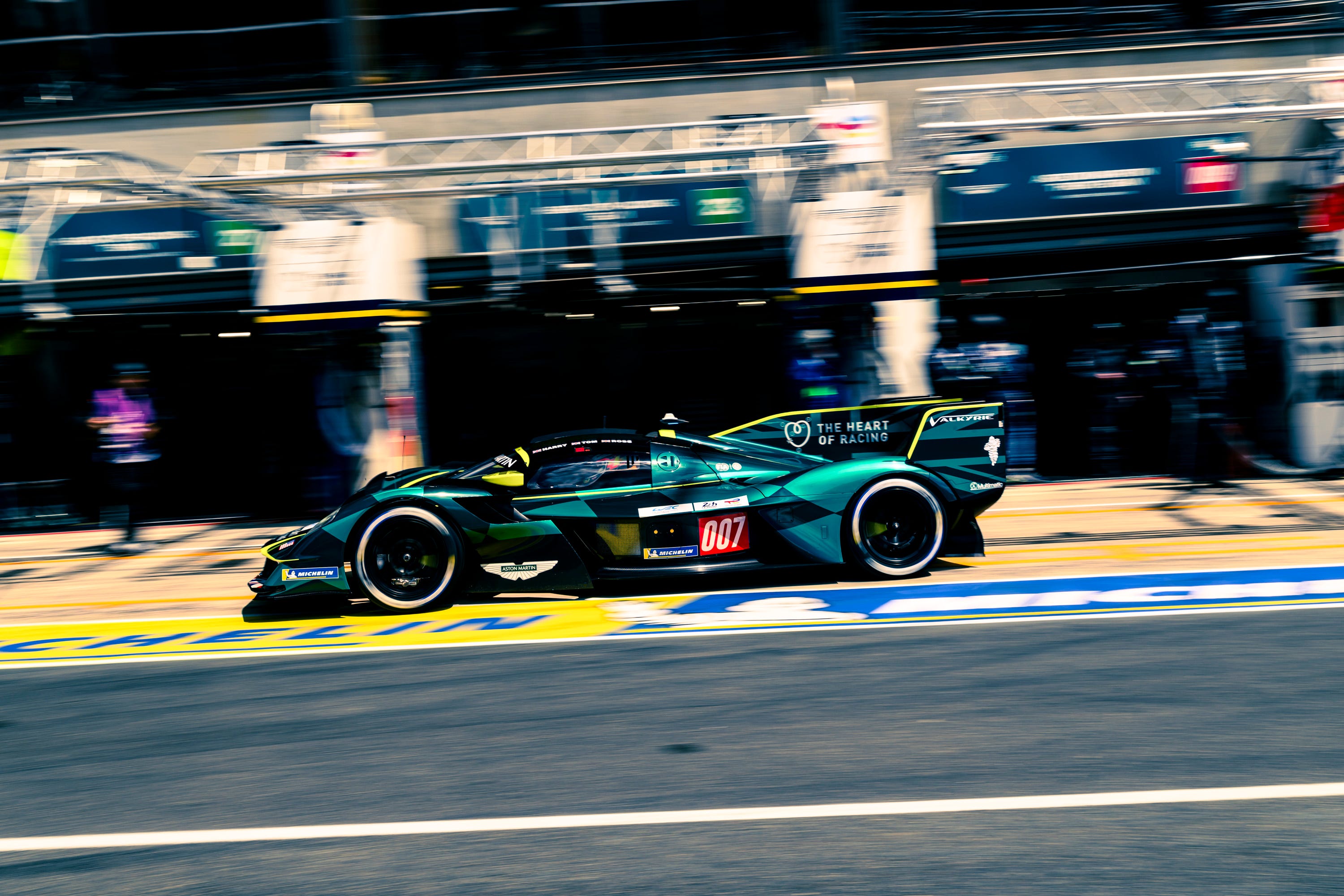
Unlike Formula 1, the World Endurance Championship is developing in a much more exciting direction. Aston Martin and Genesis joined the ranks of factory teams this season, and next year the competition will become even fiercer, with Ford and McLaren entering the fray.
Porsche, long a fixture of the global endurance racing scene, has cut its budget and now competes exclusively in the American IMSA series.
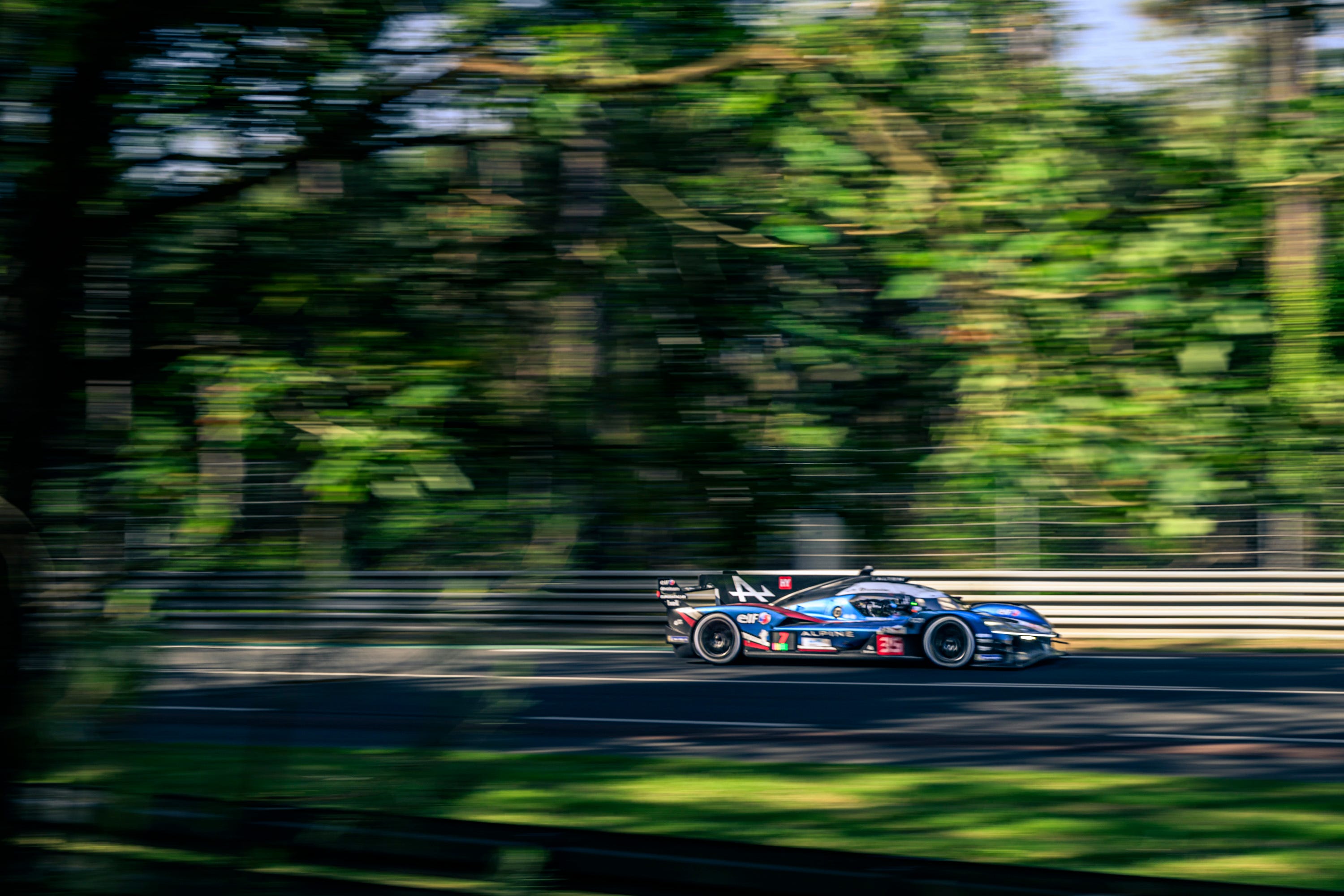
In LMP2, the category most neglected by the media, Poland’s Inter Europol Competition is enjoying a run of success. Despite the class being dropped from the WEC calendar, our turbocharged bakers are fighting hard in ELMS and IMSA.
The crowning achievement of all that hard work is the team’s second consecutive victory, and third in its history, at the world’s most important endurance race: the 24 Hours of Le Mans.
Last year, we had twice as much reason to be proud. Alongside Kuba Śmiechowski in the yellow-and-green Oreca, Robert Kubica crossed the finish line first in the yellow Ferrari, competing in the Hypercar class.
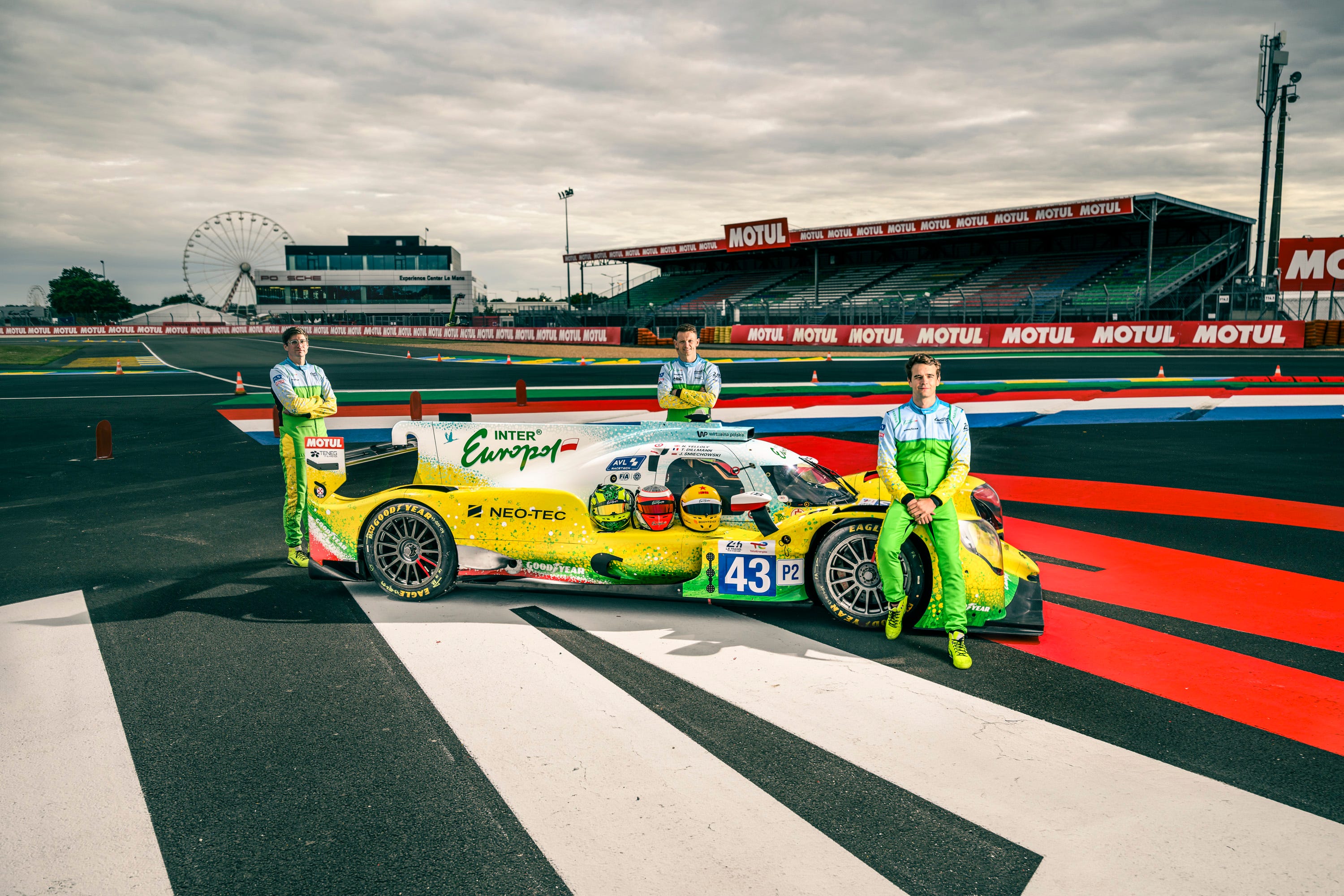
I watched Inter Europol’s triumph live this year. Invited by the team, I photographed the action during an unforgettable stay in France. More on that soon: I’ll be putting together a photo report and sharing it with you in the pages of Sunday Driver.
Until next time!